

The Secret of E-Commerce SEO: More Traffic and Sales
E-Commerce SEO
E-commerce SEO optimizes online stores to rank higher in search results, boosting organic traffic and sales. It focuses on product and category pages, targeting users with high purchase intent.



What is E-Commerce SEO?
In our modern digital world, the e-commerce enterprises are fighting with thousands of online shops to get attention. Paid advertisements have the potential to generate traffic, but they are expensive and temporary. And that is where E-commerce SEO (Search Engine Optimization) comes to the rescue. With the search engine optimization, you will earn qualified customers in an organic way, create credibility, and sell more without necessarily draining the coffers.
Why it’s Important?
SEO for e-commerce makes an online store easier for search engines to find.
Some strategies are optimizing keywords, making content, doing technical SEO, and making the user experience better.
It brings in more visitors from search engines, raises search engine rankings, and boosts sales.
It offers long-term results and growth that lasts without costing a lot of money, unlike paid ads.
Key Factors Affecting E-Commerce SEO
Factors | Description |
|---|---|
Product Page Optimization | Clear titles, descriptions, and images to improve rankings and user experience. |
Site Structure & Navigation | Easy-to-follow structure helps search engines and users find products quickly. |
Mobile-Friendliness | Ensures a seamless shopping experience on mobile devices. |
Page Speed | Faster pages reduce bounce rates and improve search rankings. |
Keyword Strategy | Targeting high-intent product and category keywords for better visibility. |
Backlinks & Authority | Quality backlinks boost site credibility and search performance. |
User Reviews & Ratings | Enhances trust and can improve click-through rates in SERPs. |
Technical SEO | Proper use of sitemaps, structured data, and fixing errors for better indexing. |
These key factors work together to boost your e-commerce site’s visibility and drive more qualified traffic. Focusing on them helps improve rankings, user experience, and ultimately, sales.
How Do SEO for E-commerce and User Experience Work Together?
Search engines can find your site more easily with SEO.
UX keeps people interested and helps them move through the buying process smoothly.
Optimized product pages and fast loading times lower bounce rates and make people stay longer.
A smooth checkout process and easy-to-follow navigation make users happier, which helps SEO.
A site that is well-optimized for both SEO and UX will get more conversions and keep customers coming back.
What are the Long-term Benefits?
Long-Term Organic Traffic: SEO brings in steady traffic without the need to spend money on ads.
Better Search Rankings: Higher rankings make your site more visible and trustworthy.
More conversions: SEO can help you get more sales and keep customers interested if you do it right.
Brand Trust and Credibility: When your brand ranks higher in search engines, people are more likely to trust it.
Competitive Advantage: A site that is well-optimized does better in search results than its competitors, which leads to long-term growth.

Why E-Commerce SEO Matters?
The Competition is high: With unlimited online shops, SEO will make your products reach the top above the others.
Economic Expansion: Organic placements generate long term returns without the need to spend constantly.
Improved User Interface: SEO friendly websites are easier to use and enhance customer satisfaction and conversion.
Trust & Credibility: The rankings indicate the reliability to the potential buyers
Important Aspects of E-Commerce SEO
1. Product and Category Keyword research
Target transactional keywords (e.g., "Buy running shoes online") in order to target ready-to-purchase customers.
Attack niche buyers with long-tail keywords (e.g. best wireless headphones under 100 dollars).
Competitor research & Keyword optimization of both product descriptions and category pages.

2. Optimized Product Pages
The product pages are supposed to be landing pages. Focus on: Uniqueness and key-wordy product names.
Interesting descriptions that bring out the features and advantages.
Good photos and videos that have the correct alt text.
Proper CTAs (e.g., "Add to Cart").
3. Online Store Technical SEO
Speed of the site: Rapid pages lower the bounce rates and increase the rankings.
Mobile Optimization: Many shoppers shop and make purchases through mobile phones.
Secure Checkout (HTTPS): Establishes trust and increases the visibility of the search.
Crawl: Make sure search engines have an easy time indexing products and categories.
4. User Experience & Navigation
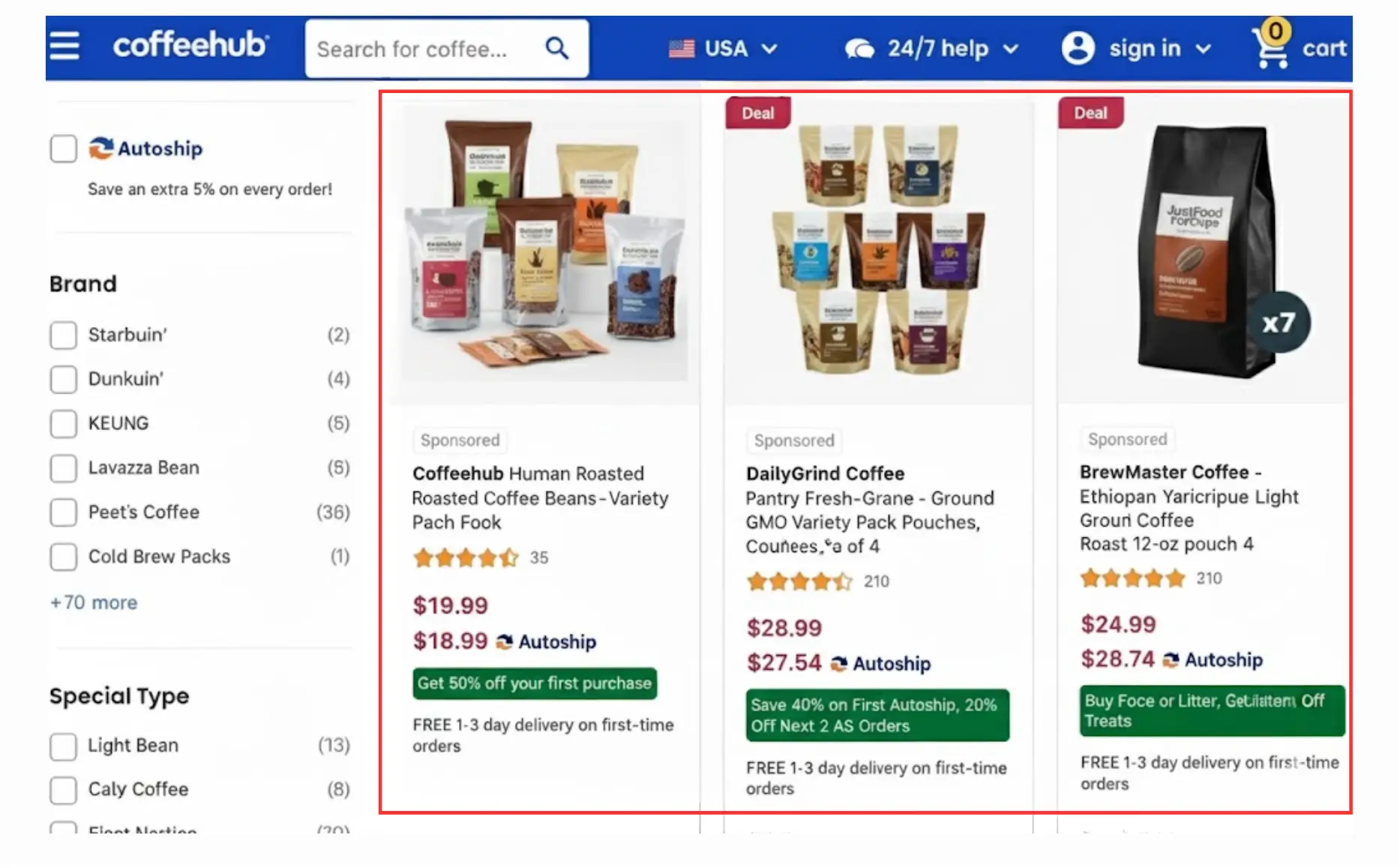
Smooth site architecture with sensible categories and filters.
Inter-linking of related products in order to upsell.
Very easy checkout procedure to minimize cart abandonment.
5. E-Commerce Content Marketing
Purchasing tutorials (e.g. How to Choose the Perfect Laptop Bag).
Blogs that respond to customer questions.
Seasonal trend posts (e.g., "Best Holiday Gift Ideas 2026).
Reviews and influence relationships.
Blogging on appropriate blogs.
Collaborations with online magazines or niche bloggers.
7. Local SEO of Stores that have brick-and-mortar locations
Enhance your Google My Business.
Cross-listing of NAP consistency (Name, Address, Phone Number).
Include geographical keywords such as, "Buy electronics in Houston".
Common Mistakes to Avoid
Copied product description.
Thin pages with not much or no content.
Neglecting technical SEO solutions such as dead links or absent Meta tags.
Using too many keywords as opposed to writing.
Final Thoughts
It is not merely e-commerce SEO, but a smooth shopping process that will make people come and be interested and turn them into buyers. Keyword research through technical fixes and content marketing makes all the parts collaborate to enable your store to be found and reliable.
Frequently Asked Questions (FAQs)
How does AI search (like Google SGE) affect e-commerce SEO?

AI-enhanced search gives users direct answers from multiple sources. To rank well, content must be extremely clear, structured, and specific.
High-quality schema and expert-level explanations perform better. Stores that offer rich product details and reviews will stand out in AI search results.
What is content pruning, and why is it useful for e-commerce?
Content pruning removes outdated or low-performing pages. This helps search engines focus on your strongest content.
It improves crawl budget and ranking efficiency.
Large e-commerce sites benefit the most.
How does mobile optimization impact e-commerce SEO?
Google ranks mobile-friendly stores higher because most shoppers browse and buy using smartphones. A responsive design, fast mobile loading, and easy navigation help improve rankings and increase sales from mobile users.
How does site security beyond HTTPS impact SEO?
Google favors secure websites with strong cybersecurity practices. Protection from bot attacks improves site speed and uptime.
Clean security signals help maintain rankings. Secure stores also improve customer trust and conversions.
How does a clear site structure help improve SEO and sales?
A clean site architecture makes it easy for both users and search engines to find products quickly. Organized categories, filters, and intuitive navigation reduce bounce rates and help shoppers move smoothly toward checkout.
How can internal linking improve SEO for online stores?
Internal links help search engines discover and rank important pages faster. Linking related products, categories, and blogs keeps customers browsing longer and increases the chances of upselling and cross-selling.
How does SEO support long-term growth for an e-commerce business?
SEO creates a steady and predictable stream of organic traffic over time. Unlike paid ads, it continues to deliver results even when you stop spending. As your rankings increase, your credibility and customer trust grow as well, helping your store scale sustainably.



4.9/5 Ratings!

Share this article