
What is Remarketing & How Retargeting Boosts Conversions?
Remarketing (Retargeting)
Retargeting and remarketing are both digital marketing strategies that try to get people who have already interacted with your brand to interact with it again.



How Does Remarketing Work?
So the tech doesn’t read your mind but it does drop a tiny cookie into your browser when you visit a website. Next time you wander onto a site in the same ad network (think Google, Facebook), it’ll show you tailored ads based on where you’ve been, what you looked at, or what you nearly bought.
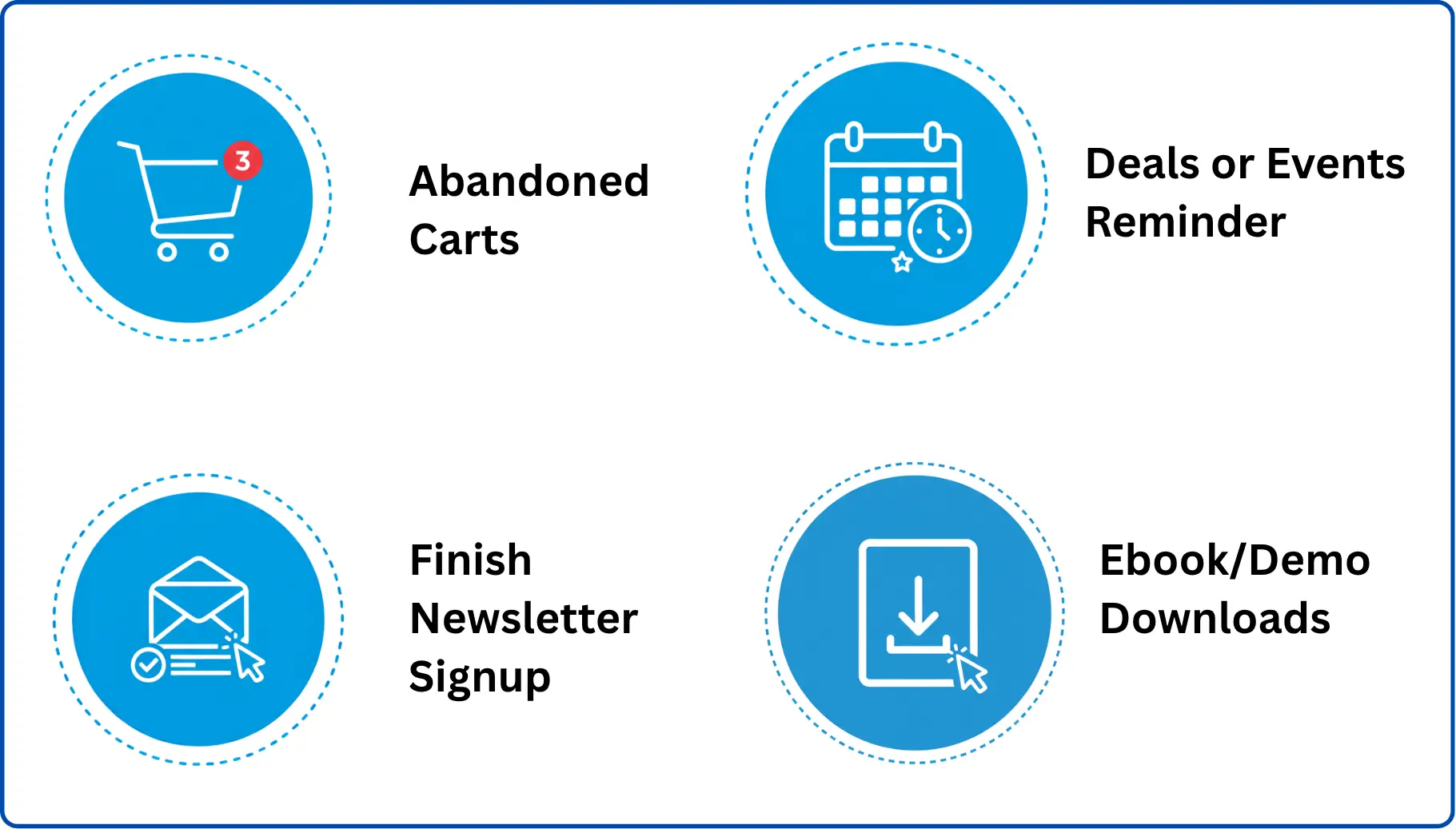
And, honestly, this isn’t just about shoes. Agencies use remarketing for…
Abandoned shopping carts
Reminding people of deals or events
Getting people to finish signing up for newsletters
Bringing folks back to download ebooks, demos, or other not-so-flashy things
Why Remarketing?
Think about it: not everyone is ready to buy right away. People get distracted. Remarketing keeps your brand in their heads even after they’ve left your site. The results? Conversion rates that (often) make everyone happy. Some businesses have seen click-through rates go up by 2-3 times with well-run remarketing campaigns.
But here’s the thing: don’t drown people in ads. There’s a sweet spot. You want to be memorable, not annoying. Frequency caps, the magic setting in most platforms help with that. Agencies swear by making the ads different each time, varying images, offers, and messaging so users don’t just tune out.
Different Types of Remarketing
Type of Remarketing | Description |
|---|---|
Display remarketing | Those banners splashed everywhere you go on the web, classic. |
Search remarketing | Showing ads to people who’ve already visited your site when they Google similar stuff. |
Social media retargeting | Facebook and Instagram know a lot about user interests. Agencies leverage this for ultra-targeted ads. |
Email remarketing | Sending a “Hey, you forgot something!” email if people left without buying. You’ve probably seen these in your inbox. |
Each method, in practice, is kinda its own beast. Agencies usually test different combinations till something clicks.
Results Achieved
Here’s a little rundown on best practices that agencies use, and honestly, they work most of the time:
Segment your audiences. Someone who spent 30 seconds on your homepage isn’t the same as the person who filled their shopping cart.
Make ads relevant. Remind people of the specific thing they were interested in, not just “Hey, come back!” That’s boring.
Use catchy headlines, fun images, and real offers. It matters.
Track all the numbers. Google Analytics, Meta Ads Manager, SEMrush, they’re lifesavers for figuring out what’s working and what’s…meh.
But, no system’s perfect. Sometimes people get tired of seeing the same ad 20 times. Sometimes privacy settings mean your data’s less accurate than you’d like. Agencies know these challenges and are always tweaking things.

Is Remarketing Right for Every Business?
Honestly, almost any brand with traffic can benefit. E-commerce, SaaS, B2B services, you name it. The idea is simple: if someone’s already interested, make it easy for them to come back and finish what they started. The return on investment (ROI)? Pretty good. But, as with all things, it depends on audience, offer, and a whole bunch of boring-but-important details.
Final Thoughts
So, remarketing isn’t magic and it’s not creepy. It’s just smart marketing that agencies use to make sure interested folks get gently nudged back into the funnel. If you’re running a business and want to make the most out of every site visitor, maybe it’s time to give remarketing a try.
Frequently Asked Questions (FAQs)
How does a remarketing pixel or cookie work?

A remarketing pixel or cookie is a small piece of code placed on your website. When a visitor comes to your site, it tracks their actions, such as pages visited or items added to a cart. Later, when the user visits other websites in the ad network (Google Display Network, social media, etc.), ads relevant to their previous interactions are displayed to them.
How often should my remarketing ads be shown to the same user?
Ad frequency is critical to avoid fatigue. Most platforms allow frequency caps, limiting how often a user sees your ad in a given period. Typically, 2–5 impressions per week per user are effective, but this depends on your industry and sales cycle.
Can small businesses benefit from remarketing?
Absolutely. Any business with online traffic can retarget visitors. Remarketing allows small businesses to compete with larger brands, maximizing ROI by focusing on users who already showed interest instead of broad, expensive campaigns
How can I use remarketing for app users?
App remarketing targets users who installed your app but stopped using it or didn’t complete in-app purchases. Ads can encourage app engagement, updates, or feature exploration, increasing lifetime value (LTV).
What are common mistakes in remarketing campaigns?
Ignoring frequency caps
Showing irrelevant ads
Not segmenting audiences
Using poor-quality visuals or outdated offers
Neglecting mobile optimization
How do I optimize and test remarketing campaigns?
Optimization involves:
A/B testing ad creatives, copy, and CTAs
Testing different audience segments
Adjusting bids based on performance data
Tracking conversions across channels
Regularly updating offers and messaging to maintain engagement
What metrics should I track for remarketing campaigns?
Key performance indicators (KPIs) include:
Click-Through Rate (CTR): Measures engagement.
Conversion Rate: Percentage of users completing desired actions.
Cost per Acquisition (CPA): How much you spend per conversion.
Return on Ad Spend (ROAS): Revenue generated compared to ad cost.
Impressions & Frequency: To manage ad fatigue.



4.9/5 Ratings!

Share this article