

What is Keyword Difficulty & it's Effect Your SEO Strategy
Keyword Difficulty
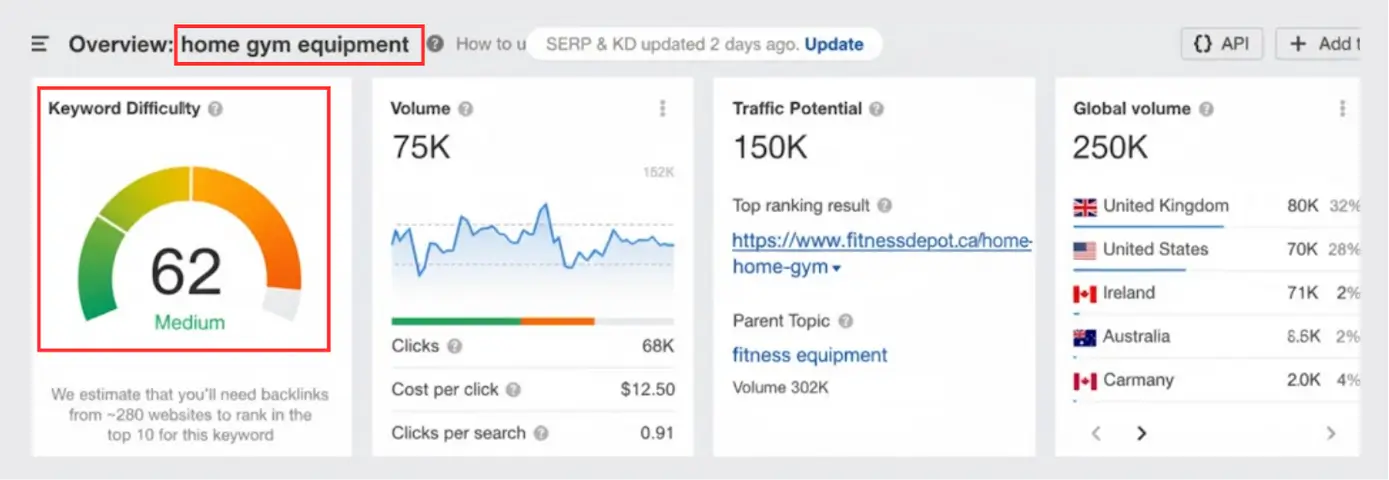
Keyword Difficulty (KD) measures how hard it is to rank on the first page for a search term. Scored from 1 to 100, higher values mean tougher competition. Each SEO tool—like Ahrefs, Semrush, or Moz—uses its own method to calculate this score, so results vary.



What is Keyword Difficulty?
Keyword difficulty refers to how hard it is to get a certain keyword to show up in search engine results. The level of competition for the keyword, taking into account things like the strength of current competitors' domains, the quality of their content, and their backlink profiles, determines how hard it is.
Ahrefs, SEMrush, and Moz are examples of SEO tools that give keywords a difficulty score, which is usually between 0 and 100. A lower score means a better chance of ranking, while a higher score means more competition.
How Keyword Difficulty Is Measured?
Most tools give you a score between 0 and 100:
0–30: Easy: There is less competition, so it is easier to rank.
31–50: Moderate: There is moderate competition.
51–70: Hard: Needs a lot of work on SEO
71–100: Very Difficult: There is a lot of competition, and big authority websites are in charge.
These scores are based on how strong the current rankings are, how many backlinks there are, how authoritative the domain is, and how good the content is.
Factors Influencing Keyword Difficulty
Factor | Description |
|---|---|
Domain Authority | Websites with high authority are harder to outrank, increasing keyword difficulty. |
Content Quality | Well-optimized, in-depth, and relevant content can lower difficulty for certain keywords. |
Backlink Profile | Keywords dominated by pages with many strong backlinks are more competitive. |
Search Intent | Matching user intent accurately makes it easier to compete, even for tough keywords. |
SERP Features | Presence of features like featured snippets or videos can make ranking more complex. |
Competition Level | The number and strength of competitors targeting the same keyword affect difficulty. |
Page Optimization | Proper use of keywords, meta tags, and internal links can improve ranking potential. |
Understanding these factors helps you choose the right keywords and plan strategies that balance competition with ranking potential.
Why Keyword Difficulty Matters?
Helps You Prioritize Keywords: Some keywords aren't worth going after. If a keyword is very hard to rank for, it may take a lot of time and money to do so. Instead, look for keywords that are easier to rank for, or a mix of both.
Helps You Plan Your Strategy: Understanding how hard something is can help you find a balance between short-term wins and long-term goals. For example, going after long-tail keywords, which are usually easier to rank for, can get you results faster. On the other hand, going after competitive keywords might take more work over time.
Resource Allocation: Knowing how hard a keyword is can help you use your resources better. You might not have to work as hard on low-difficulty keywords, but you might have to spend money on backlinks and making content for high-difficulty keywords.
How to Analyze Keyword Difficulty?
Use SEO tools like Ahrefs, SEMrush, or Moz to see how hard a keyword is. Here's how to do it:
Do some keyword research: Look for keywords that are related to your niche and check their difficulty score.
Look at SERPs: Check out the pages that are at the top of the list. Are they from reputable sites with good content? This will help you see how you stack up against the competition.
Check Your Strength: Think about whether your site has the authority and resources it needs to compete for that keyword. If not, try to find terms that are easier and less difficult.
How to Get High Rankings for High-Difficulty Keywords?
Here are some tips for going after a high-difficulty keyword:
Make content that goes into great detail: Give users content that is more thorough and well-researched than what your competitors offer.
Link Building is Important: If you have a strong backlink strategy, you have a much better chance of beating your competitors.
Make the User Experience Better: To get better rankings, make sure your website is easy to use, loads quickly, and works well on mobile devices.
Focus on Long-Tail Keywords: Long-tail keywords usually have less competition, which can help you get more traffic more quickly.
Final Thoughts
To make a good SEO plan, you need to know how hard keywords are to rank for. You can make your website more likely to succeed by looking at the competition and setting realistic goals. If you want to get quick wins, focus on low-difficulty keywords. If you want to grow your business over time, target competitive keywords. Knowing how to handle keyword difficulty will help you rank higher and get more visitors to your site.
Frequently Asked Questions (FAQs)
Can keyword difficulty change over time?

Yes. Keyword difficulty is dynamic. New competitors entering the market, updates to search engine algorithms, changes in backlinks, and evolving search trends can increase or decrease difficulty over time. Regular monitoring ensures your SEO strategy stays relevant.
How do long-tail keywords affect keyword difficulty?
Long-tail keywords are longer, more specific search phrases (e.g., “best SEO tools for small businesses 2025”). They usually have lower difficulty because fewer websites target them, making them easier to rank for and often bringing highly qualified, conversion-ready traffic.
What role does search intent play in keyword difficulty?
Matching user intent is critical. If your content does not satisfy what users are seeking—informational, navigational, transactional, or commercial—it will struggle to rank even for keywords with low nominal difficulty. Understanding search intent can make “hard” keywords more achievable.
How do I prioritize keywords with different difficulty levels?
Develop a tiered strategy:
Low difficulty: Quick wins, drive early traffic.
Medium difficulty: Moderate effort, steady growth.
High difficulty: Long-term focus, strategic content and backlink investments.
Can keyword difficulty guide my paid search campaigns?
Yes. High-difficulty keywords in organic search often correspond to high cost-per-click (CPC) in paid campaigns. Understanding difficulty helps allocate budgets wisely and integrate organic and paid strategies effectively.
How does keyword difficulty affect long-term SEO goals?
By knowing difficulty, you can plan realistic milestones, balance short-term wins with long-term campaigns, and focus efforts on building domain authority and high-quality content that competes over time.
Can analyzing keyword difficulty improve my ROI?
Absolutely. Targeting achievable keywords, optimizing resource allocation, and creating a mix of easy, medium, and difficult keywords ensures better traffic, higher conversion rates, and lower wasted effort, resulting in improved ROI from SEO campaigns.



4.9/5 Ratings!

Share this article