

Why Backlinks Matter and How to Get Them Right?
Backlinks
Backlinks are links from one website to another and a key SEO factor. They act as a “vote of confidence,” showing search engines your content is valuable. Quality and authority of the linking site matter more than the number of backlinks.



What are Backlinks?
A backlink is a link that starts on one website and takes you to another website. If a website puts a link to your site, it shows that your content is helpful. This tells search engines to rank your site higher. Backlinks are like votes or shout-outs from other websites in your field.
There are many kinds of links. The value of a backlink can be based on the site's authority. It also depends on whether the content is a good fit for the link and if it blends well with the text.

Why are Backlinks Important for SEO?
Backlinks are really important for getting good spots on search engines like Google. Here is why they matter:
Improved Search Engine Rankings: Backlinks show search engines that your website can be trusted. Search engines often put websites with more good backlinks higher in their results. If you have more backlinks, your website can be on the first page of search results. Research says that websites with more backlinks get better spots in search.
Increased Website Traffic: People can get to your website from other places with backlinks. When a site you trust links to your content, it shows your page to the people who visit that site. This can bring more people to you. If you get more backlinks from well-known sites, you will get useful traffic to your pages.
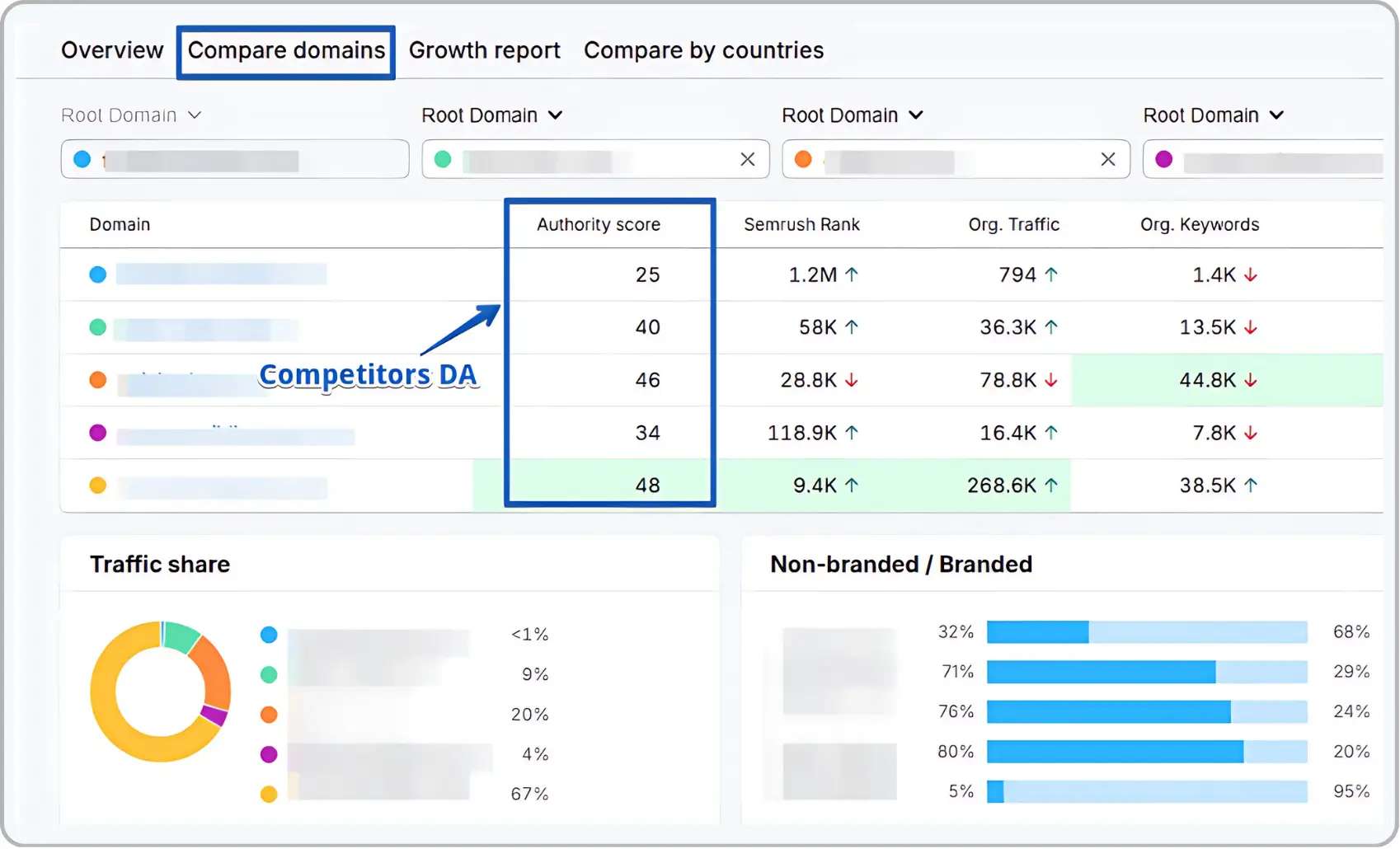
Enhanced Domain Authority: Domain authority (DA) is a way to see how well your website can show up in search results. A high DA tells search engines that your site is more trusted than others. This is because the site has good links from trusted places.
Faster Indexing by Search Engines: Backlinks help search engines find and add your pages quicker. When search engines follow links from good sites, they see new pages on your site and put them in their list. This matters a lot for sites that are new or have changed recently.

Types of backlinks
1. High-Quality Backlinks
High-quality backlinks are best when they come from strong sites in your area. The links you get from these sites fit the page, look real, and help your page. In Search Engine Optimization (SEO), links from .edu, .gov, and big media sites stand out as the most useful.
2. Low-Quality Backlinks
Many people get low-quality backlinks when they buy links, use link farms, or join link exchanges. These things can hurt your website’s ranking. You could even get in trouble with search engines if you use these methods.
3. Do-Follow vs. No-Follow Links
Do-Follow Links: These links give SEO value from the site it comes from to the site it goes to. This can help the site's SEO rankings.
No-Follow Links: These links do not help with SEO, but they can still bring in people from other sites and help more people see your brand.
While do-follow links are the best for SEO, it is good to have both do-follow and no-follow links in your mix. A natural set of links should have both types.
How to Earn Backlinks?
Strategy | Description | Tips for Success |
|---|---|---|
Create High-Quality Content | Produce valuable, informative, or entertaining content that others naturally want to link to. | Focus on original research, in-depth guides, and engaging visuals. |
Guest Posting | Write articles for relevant websites and include a link back to your site. | Target authoritative sites in your niche and provide valuable content. |
Broken Link Building | Find broken links on other websites and suggest your content as a replacement. | Use tools like Ahrefs or SEMrush to identify broken links. |
Skyscraper Technique | Improve existing popular content and reach out to sites linking to the original. | Make your version more comprehensive, updated, or visually appealing. |
Influencer Outreach | Connect with influencers or bloggers to share and link to your content. | Personalize outreach and show the value your content provides to their audience. |
Resource Pages & Directories | Submit your site to niche resource pages, business listings, or relevant directories. | Ensure the directories are reputable and relevant to your niche. |
Social Media & Content Promotion | Share content on social platforms to increase visibility and potential links. | Engage with communities, forums, and social groups relevant to your industry. |
Earning backlinks is all about creating value and building relationships. Focus on producing high-quality content that others naturally want to reference, and actively reach out to relevant websites and influencers. Consistency and relevance are key—over time, these strategies can significantly boost your site’s authority, traffic, and search rankings.
Measuring the Effectiveness of Backlinks
It's important to see how well your backlinks do once you start making them. You can watch your backlinks and the things below with tools like Google Search Console, Ahrefs, or Moz:
Domain Authority: Keep track of changes in your site’s DA after you get backlinks.
Referral Traffic: Track the number of people who visit your site through your backlinks.
SERP Rankings: See how your search engine rankings get better when you make backlinks.
Final Thoughts
Backlinks are important for any SEO plan to be good. They help your site move up in search results. They also send new people to your site and help make your site look more trusted. You need to care more about good backlinks instead of having a lot of them. Try to get links from websites that people trust and that are about the same things as your site.
Using the best methods and smart ways to get strong backlinks can help your website show up better in search results.
Frequently Asked Questions (FAQs)
How many backlinks does a website need to rank on Google?

There is no fixed number of backlinks required to rank. The quality, relevance, and authority of backlinks matter far more than quantity. A site with fewer high-authority backlinks can outperform a site with hundreds of low-quality links. Your competition, niche difficulty, and content quality also play a major role.
How long does it take for backlinks to show SEO results?
Backlinks usually start showing an impact within a few weeks, but stronger ranking improvements often take 2 to 4 months. The speed depends on how frequently search engines crawl your site, the authority of linking websites, and how competitive your keywords are.
Accordion Can bad backlinks harm my website?
Yes, low-quality or spammy backlinks can negatively affect your rankings. Links from link farms, irrelevant websites, or paid spam networks can trigger Google penalties. That’s why monitoring your backlink profile and disavowing harmful links is extremely important.
Are no-follow backlinks completely useless for SEO?
No, no-follow links still have value. While they don’t pass direct SEO authority, they help build brand visibility, referral traffic, and link profile diversity. A natural backlink profile always includes both do-follow and no-follow links.
What is the safest way to build backlinks in 2026?
The safest strategies include publishing valuable content, earning links organically, digital PR, guest blogging on relevant sites, broken link building, and outreach based on real value. Avoid buying bulk backlinks or using automated link-building software.
Do internal links count as backlinks?
No, internal links are links within your own website. They help with site structure, page authority flow, and user navigation—but they are not backlinks. Backlinks strictly come from external websites linking to yours.
What makes a backlink “high quality”?
A high-quality backlink comes from a website that has strong authority, is relevant to your niche, has real traffic, uses natural anchor text, and places the link within meaningful content rather than footers or sidebars.



4.9/5 Ratings!

Share this article