
What Are Do-Follow Backlinks and Why They Matter for SEO?
Do-Follow Backlinks
A do-follow backlink is a regular hyperlink that passes authority (“link juice”) from one site to another, helping boost the linked website’s search rankings and visibility.



What are Do-Follow Backlinks That You Can Click?
A dofollow backlink is a link from another website that tells search engines to trust and follow your site. A dofollow link is a way for one website to say it trusts another website. Links that say "nofollow" don't change how well your site does in search engines.
Google will trust you and think that your content is useful if a well-known tech blog links to your site with a do-follow link.
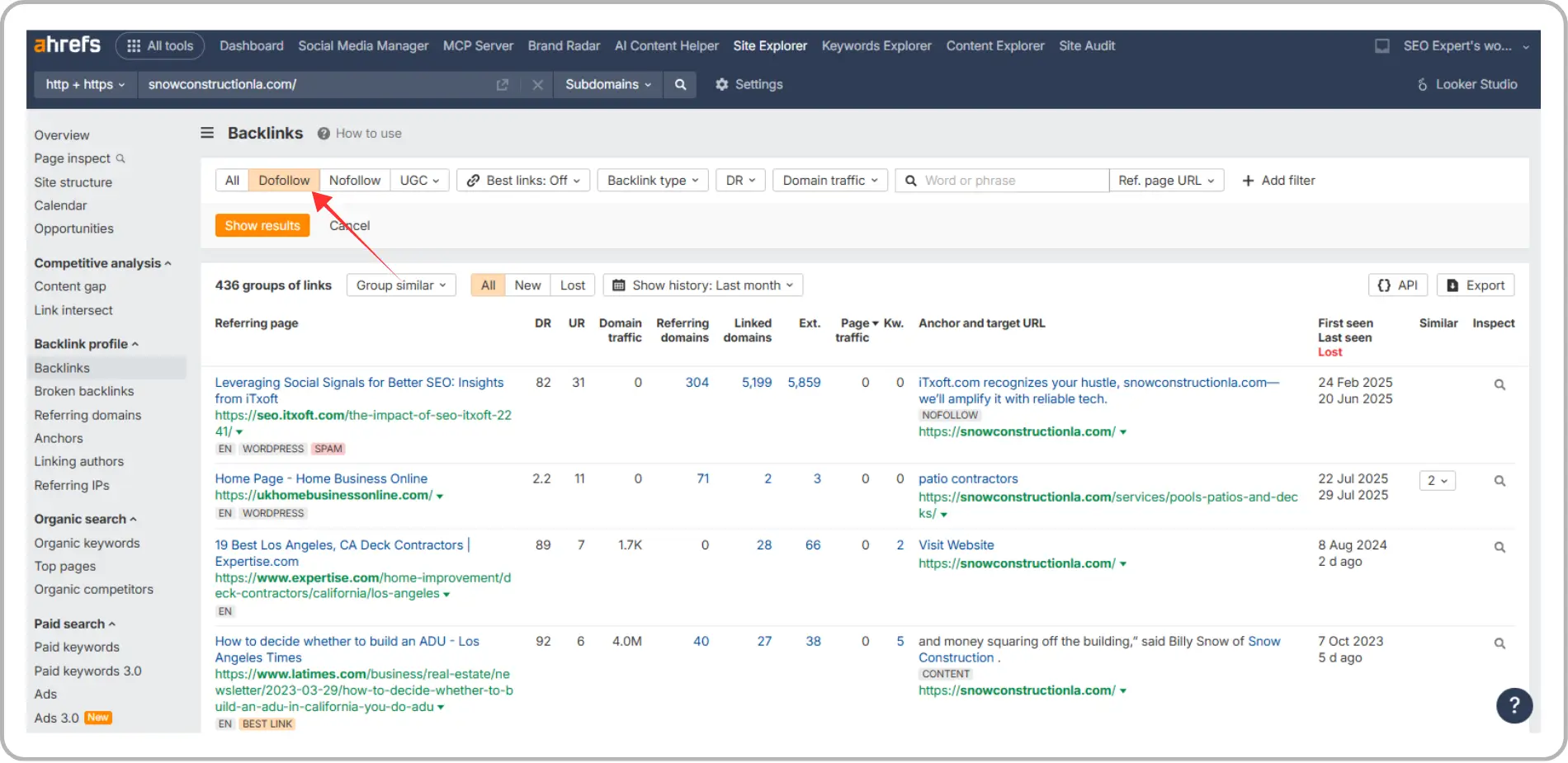
Why Dofollow Backlinks Matter?
Do-follow backlinks are important because they:
Get Better Search Rankings: Every do-follow link can help your site's domain authority, which will help it show up higher in Google search results.
Get traffic from other sites: Links from well-known sites could send people straight to your site.
Make Your Site More Credible: When well-known sites link to yours, it makes your site more credible in your field.
How to Get Backlinks That Work?
Here are some tried-and-true ways to get dofollow backlinks:
When you guest post, you write good articles for other websites in your field and include a link back to your own site that people can click on.
Create sharable things that people will want to share. Make things that people will want to use, like tools, tutorials, or infographics.
Building Broken Links: Find links on other sites that don't work and tell them to use your content instead.
Influencer Outreach: Reach out to well-known people in your field and ask them to link to your helpful information

What is Nofollow Backlink?
A no-follow link, or backlink, is a link which does not pass authority on to the website it is linking to. These links do not help in terms of SEO.
To make a link no-follow, add rel=”no-follow” to the code when linking to a website.
When should a No-follow Backlink Be Used?
A no-follow backlink should be used when you do not want to pass link juice to, or endorse the linked website.
For example, no-follow backlinks were first recognized by search engines in 2005 when comment spam became an issue. Webmasters were able to make links in the comment fields nofollow so the website wouldn’t benefit from spamming comments with links.
Other situations where you might want to use a nofollow link would be for sponsored links, affiliate links, or user-generated content.
Difference between Dofollow and Nofollow backlinks
Factor | Do-Follow Backlink | No-Follow Backlink |
|---|---|---|
Definition | Passes link authority (“link juice”) to the linked site | Does not pass link authority to the linked site |
HTML Tag | <a href="URL"> | <a href="URL" rel="nofollow"> |
Impact on SEO | Helps improve search rankings | No direct impact on rankings |
Crawling by Search Engines | Search engines follow and index the linked page | Search engines may not follow or index the linked page |
Purpose | To boost SEO and authority | To link without endorsing or affecting SEO |
Common Use Cases | Guest posts, editorial mentions, resource links | Blog comments, paid ads, social media links |
Final Thoughts
One of the best ways to boost your website's authority, traffic, and search engine ranking is to get do-follow backlinks. Writing articles, guest posting, and reaching out to people in an organized way are all good ways to get links from high-quality, relevant websites. It takes time and work to build a good backlink profile, but the results are worth it.
Frequently Asked Questions (FAQs)
What is a good ratio of dofollow to no follow backlinks for a healthy link profile?

A natural backlink profile includes both. While there’s no perfect ratio, many SEO professionals aim for 60–80% dofollow and 20–40% nofollow. A balanced profile looks organic and helps avoid triggering spam filters.
How many dofollow backlinks should a new website aim for?
There is no set number. Instead of chasing quantity, new websites should focus on earning a few strong, relevant links from credible sources. One well-placed backlink from a trusted domain can provide more value than hundreds of weak links.
How long does it take for a dofollow backlink to impact search rankings?
It typically takes between 2 to 12 weeks, depending on how fast Google crawls the linking website, how competitive the keyword is, and how authoritative the backlink source appears.
Should internal website links be dofollow or no follow?
Internal links are typically dofollow, and that’s beneficial because they help Google understand your site’s hierarchy, index your pages, and distribute authority across your content. Only in rare cases, like low-value pages, would a no follow tag be used.
How can guest posting help in building dofollow backlinks?
Guest posting allows you to publish content on other websites within your niche and include dofollow links to your own site. This not only boosts SEO but also drives referral traffic from a relevant audience.
How do dofollow backlinks drive traffic besides improving SEO?
Dofollow backlinks not only help with search engine rankings but also act as direct pathways for users to discover your website. When your link appears on other websites, blogs, or articles, interested readers can click it and visit your site, generating referral traffic. Links from high-traffic sites are particularly valuable because they can bring a significant number of targeted visitors who are already interested in your niche. This increased exposure can lead to more engagement, potential leads, and even conversions
How does influencer outreach generate dofollow backlinks?
Reaching out to influencers or industry leaders and sharing high-quality content can encourage them to link to your website naturally, providing authoritative dofollow backlinks and increasing your site’s credibility.



4.9/5 Ratings!

Share this article