
Unlock The Power of Bing: A Complete Guide to Microsoft Ads
Bing Microsoft Ads
Microsoft Advertising, formerly Bing Ads, is a PPC platform that lets businesses display ads across the Microsoft Search Network, including Bing, Yahoo, AOL, DuckDuckGo, MSN, Outlook, and the Microsoft Audience Network.



What are Bing Microsoft Ads?
Bing Microsoft Ads, formerly known as Bing Ads, is Microsoft’s pay-per-click (PPC) advertising platform. It allows businesses to run search ads on the Bing search engine and its network of partners, including Yahoo, AOL, and MSN.
Just like Google Ads, it operates on a bidding model where advertisers pay only when someone clicks their ad. These ads appear above or below the organic search results when users search for keywords related to your products or services.
But here’s what makes Bing Ads worth paying attention to: it often offers lower competition and a lower cost-per-click (CPC) than Google Ads—especially in the U.S. market—which means better value and visibility for your ad spend.
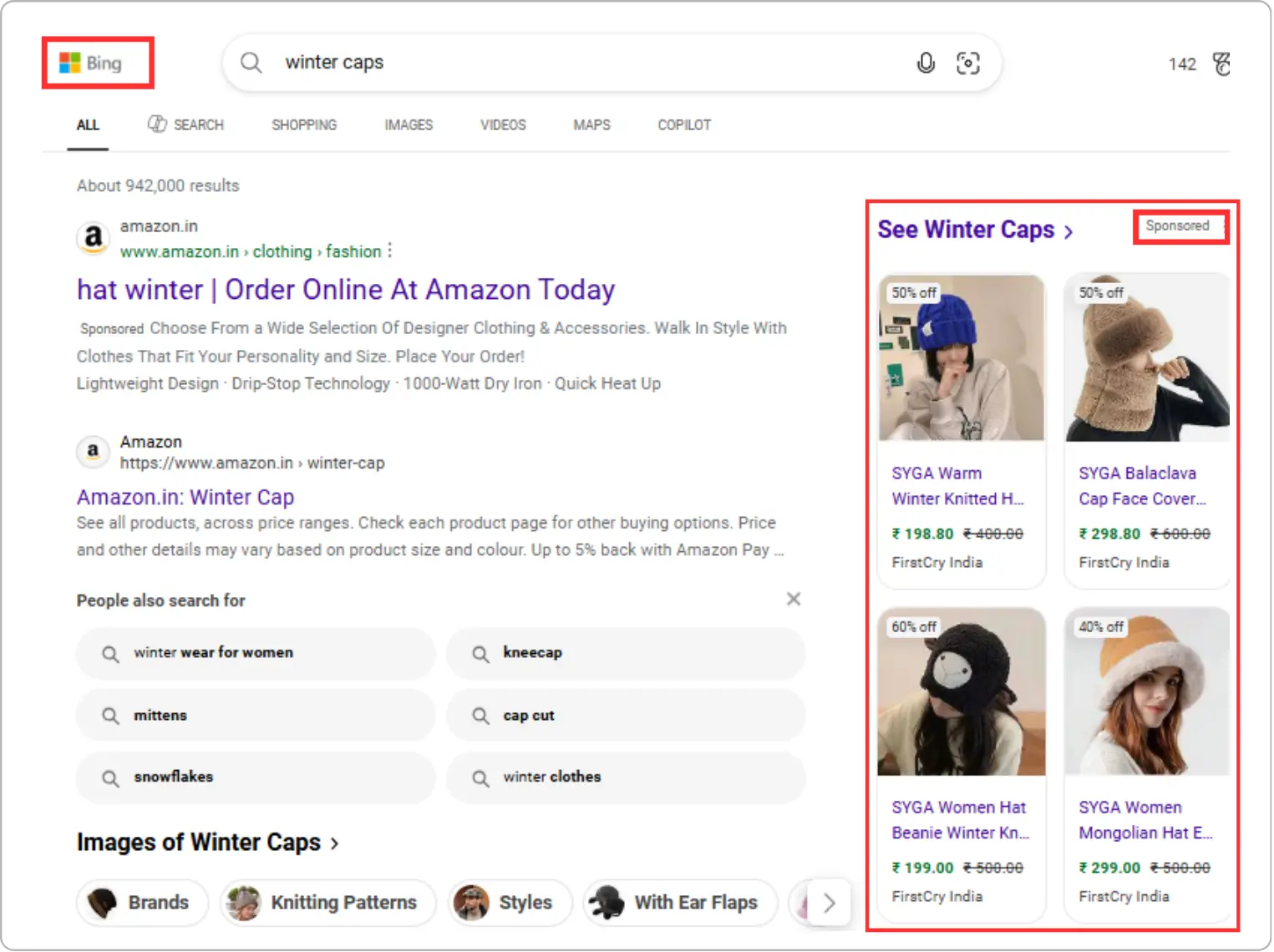
Why Marketers Should Consider Bing Microsoft Ads?
Google Ads dominates the search engine advertising world, but Bing holds a solid share of the U.S. desktop search market — around 30%, when combined with Yahoo and other Microsoft partners.
If you're advertising only on Google, you're potentially missing out on millions of monthly search queries. For many businesses, Bing is an untapped channel that can drive traffic, leads, and conversions—often at a lower cost.
Key Benefits of Bing Microsoft Ads
1. Lower Competition = Lower Cost-Per-Click
Because Bing Ads has fewer advertisers competing for the same keywords, it often means:
Lower CPCs
More clicks for the same budget
Less pressure in ad auctions
For example, a keyword that costs $5 per click on Google Ads might only cost $2–$3 on Bing. Over time, this can significantly improve your return on investment (ROI).
This makes Bing Ads a powerful option for small businesses, niche industries, and budget-conscious marketers looking to maximize their ad spend.

2. Reach a Different Audience
Bing tends to attract a more mature, affluent audience, many of whom are using Microsoft devices at work or at home. Studies show that:
A large portion of Bing’s users are aged 35+
Many are decision-makers or professionals
They spend more on average than users on other platforms
If your ideal customers fit this demographic, Bing can connect you with an audience that's ready to act.
3. Easy Import from Google Ads
Already have campaigns running on Google Ads? Bing makes it easy to import existing campaigns directly into Microsoft Ads. You don’t have to rebuild everything from scratch, making it a low-effort way to expand your reach and test performance.
4. Strong Desktop Presence
Bing is the default search engine on Microsoft Edge and Internet Explorer. Many workplace computers use Windows with Bing as the default—giving you more visibility among desktop users, especially in corporate or B2B environments.
5. Ads Across the Microsoft Ecosystem
Bing Ads aren’t just for Bing.com. Your ads can also appear on:
Yahoo
AOL
MSN
Windows 10 search bar
Xbox search results
Outlook and Skype integrations
That’s multiple touchpoints where your brand can be discovered — far beyond just a typical search engine.
How Bing Ads Work?
Bing Ads uses a similar structure to Google Ads:
Keyword Bidding: You bid on keywords relevant to your business.
Ad Creation: Write your ad copy, choose links, and set targeting.
Auction System: Ads go into a real-time auction when users search.
Ad Placement: Bing uses your bid, quality score, and relevance to decide placement.
PPC Billing: You’re charged only when someone clicks your ad.
Like Google, Bing also supports ad extensions, device targeting, ad scheduling, demographics, and audience targeting.
Bing Ads vs. Google Ads: A Quick Comparison
Feature | Bing Ads | Google Ads |
|---|---|---|
Market Share | ~30% U.S. desktop (with Yahoo) | ~90% global |
CPC (Cost-Per-Click) | Typically lower | Typically higher |
Competition | Less competitive | Highly competitive |
Import Tools | Easy import from Google Ads | No import from Bing |
Audience Demographic | Older, professional, higher income | Broader, mobile-first |
Device Usage | Strong on desktop |
Real-World Benefits of Lower Competition & CPC
Let’s take a deeper look into the key value Bing brings: lower competition and lower cost-per-click.
Most advertisers chase Google because of its large audience. But that crowd also drives up prices. On Bing, with fewer advertisers in the game, your ad:
Costs less per click
Delivers better ROI over time
This is especially useful in niche markets or industries with high CPCs on Google, like law, finance, or health. Bing lets you still target these audiences without paying premium prices.
Advertisers who diversify their PPC strategy with Bing Ads often find it’s a great place to get more visibility for fewer dollars—and potentially attract higher-quality leads.
Best Practices for Bing Microsoft Ads
If you're ready to give Bing Ads a try, here are some best practices to guide your setup:
Use Location Targeting: Bing is strong in U.S. markets — make use of geo-targeting for local and national campaigns.
Optimize for Desktop Users: Many Bing users are browsing on desktop during work hours.
Start with Imported Campaigns: Don’t reinvent the wheel, import your high-performing Google Ads campaigns and tweak them for Bing.
Leverage Ad Extensions: Add sitelinks, callouts, and location extensions to increase click-through rates.
Test and Tweak: Monitor performance and adjust bids and copy based on what's working.
Final Thoughts
Bing Microsoft Ads is not just a second-tier platform; it’s a powerful, often overlooked opportunity for advertisers who want:
Lower ad costs
Access to a valuable, high-intent audience
If you're focused only on Google, you’re likely spending more for each click and competing in crowded spaces. Adding Bing Ads to your digital strategy gives you an edge where others aren’t even looking.
Frequently Asked Questions (FAQs)
Is Bing Ads really worth it if Google Ads already performs well?

Yes. Bing Ads works best as a traffic and conversion multiplier, not a Google replacement. Many businesses use Bing to capture additional leads at a lower cost while keeping Google as their primary channel. Since competition is lower, you often gain cheaper conversions and higher ROI without increasing overall budget pressure.
Does Bing Ads generate high-quality leads or just cheaper traffic?
Bing Ads often generates higher-quality leads, not just cheaper clicks. Many users search from work computers and desktops, meaning they are often in decision-making mode, especially for B2B services, financial products, and high-ticket purchases.
Can Bing Ads help improve overall PPC performance across platforms?
Yes. Running Bing Ads alongside Google Ads helps you compare keyword performance, test ad messaging faster, and identify high-converting audiences. Many brands use Bing as a low-risk testing ground before scaling successful strategies into Google.
Do Bing Ads require different ad copy than Google Ads?
Often, yes. Bing users tend to respond better to clear, benefit-driven, professional messaging rather than overly casual or aggressive sales copy. Since many searches happen during work hours, ads that communicate trust, credentials, and value perform especially well.
Is Bing Microsoft Ads good for local businesses?
Absolutely. Bing performs very well for local service businesses, especially in the U.S. Markets like home services, healthcare clinics, legal firms, and repair companies often see strong call volume and form submissions at a lower cost than Google.
Can Bing Ads support remarketing and retargeting campaigns?
Yes. Bing Ads supports remarketing audiences, in-market audiences, LinkedIn profile targeting (via Microsoft), and website visitor retargeting. This allows businesses to re-engage users who previously visited their site but didn’t convert.
Is Bing Ads suitable for eCommerce brands?
Yes. Bing Ads works especially well for high-intent product searches, branded product terms, and shopping ads. Since shopping competition is lighter than Google, many eCommerce brands achieve better ROAS on Bing Shopping campaigns.



4.9/5 Ratings!

Share this article